Financial Technology
GE CareCredit
Built technology for the GE CareCredit system — financial and business technology operating
inside a regulated consumer-credit environment, where correctness and auditability are the product.
Payments Platform
US Payments
The initial kiosk-based payment platform, designed around PCI and NACHA requirements: secure
transaction processing, device-level handling and back-office integration.
corp.uspayments.com →
Real-Time Systems · 2001
Oklahoma Tornado Alert System
One of the early real-time mobile tornado alert systems: live data ingestion, automated alert
logic and mobile distribution at scale. Event-driven intelligence, built decades before the term.
Early Mobile
ICANN
Built ICANN's first mobile website — mobile delivery for the organization that coordinates the
internet's namespace, under real content-governance constraints.
icann.org →
Enterprise Mobile
Lennar
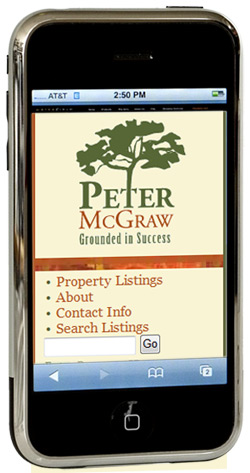
Mobile technology and frameworks for property discovery and customer engagement at one of the
nation's major homebuilders — inventory data rendered for handsets, not desktops.
lennar.com →
Enterprise Mobile
Ryland Homes
Mobile technology and frameworks for property discovery and customer engagement for another
major national homebuilder — the same engineering problem, a different data source.
Platform Development
Simpleview Mobile Platform
Built Simpleview's initial mobile website platform — the system used to deploy mobile web
experiences for hundreds of CVBs and Chambers of Commerce. Multi-tenant from day one.
Our Own Platform
mobiManage
Our own mobile platform and SaaS company. Journal Record "Innovator of the Year," 2009.
Powered mobile sites across tourism, real estate, restaurants and universities.
Founded & Sold
Straxis
Jeff Beasley founded Straxis, a Tulsa interactive technology company, and sold it in the
2000s. Straxis built mobile and interactive platforms for universities, cities and
destination organizations.
Higher Education Platform
U360 Mobile
Built the software behind U360 Mobile, a campus mobile platform for higher education.
Another reusable, multi-tenant platform rather than a one-off build.
Tourism & Destinations
Destination Deployments
Named deployments included Park City, Boston, Bay Area Houston, Sonoma County, Tulsa and the Kensington & Chelsea Chamber in the UK. Mobile web deployments for tourism and destination organizations, published from a shared
platform: templated delivery, per-tenant content, device-aware rendering.
Higher Education
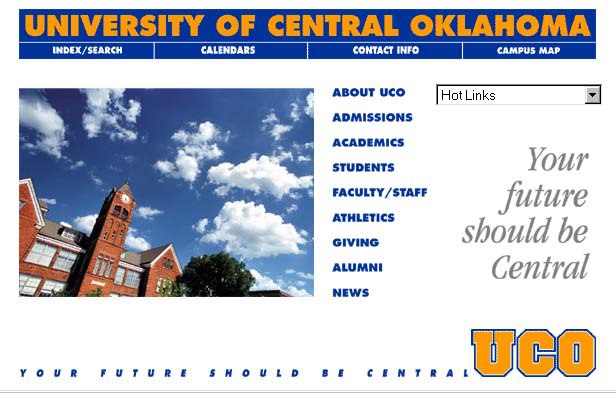
University Deployments
Mobile experiences for university audiences — directories, schedules, campus information —
delivered on the same multi-tenant platform architecture.
Real Estate Mobile
Real Estate Deployments
Property discovery on mobile: listing feeds normalized, search built for small screens, and
agent-facing tools published from one platform instead of one build per brokerage.
E-Commerce
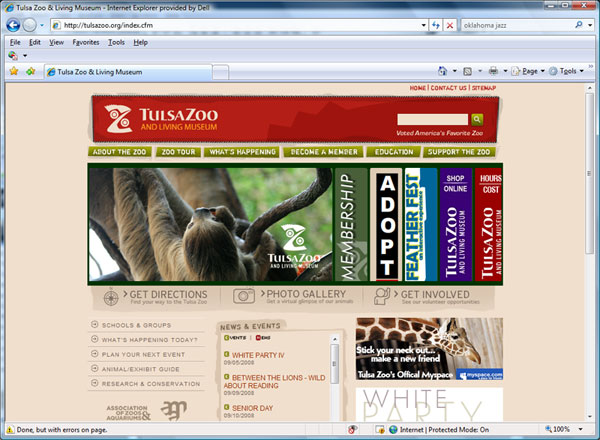
Tulsa Zoo
Online platform and storefront: ticketing, memberships, donations, e-commerce and back-office
integration for a high-traffic public attraction.
tulsazoo.org →
Streaming + Commerce
Roger Raglin Outdoors
On-demand video streaming combined with e-commerce and subscriptions — entitlement logic,
recurring billing and catalog all in one platform.
rogerraglin.com →
Automation + CRM
BizIQ
Built a substantial portion of BizIQ's internal technology infrastructure: automation,
management systems, CRM technology, operational tools, workflow and marketing automation
infrastructure — the internal machinery a company runs on.
Information Systems
TU Information Security Center
Information platform for programs, faculty and research directories — content management and
an accessible information architecture built for an academic research center.
Directory Platform · Recent
CT3.org
A national faith-based directory platform: a searchable database of tens of thousands of
ministries filterable by state and category, organization self-submission with review,
resource routing for people seeking help, and Stripe-based donation handling. A data and
search problem, not a brochure.
ct3.org →
Community Software · Recent
Phoenix Elks #335
Custom PHP and Bootstrap community platform — events, member communication and publishing,
built and maintained as a working system rather than a template.
phx.elks.news →
Enterprise Telemetry
Union Pacific
Satellite-linked fleet management with real-time telemetry and command visibility — a
distributed system built when availability, not features, was the requirement.
Healthcare · Secure Systems
Encrypted Medical Data Backup
Encrypted medical data backup systems for healthcare organizations, plus the information
security policies and standards written around them.
Information security →
Our Own Product · Direct Mail
Postcard Burst
A veteran-owned direct mail platform we built and run ourselves — list handling, design,
print and mail workflow, and campaign tracking connected back to response.
Our Own Product · Hardware
SnugSpin
Product development and the commerce platform behind SnugSpin, a consumer hardware product
with a patent pending. Evidence that the engineering habit extends past software.
Community Platform
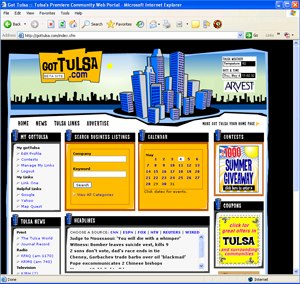
GotTulsa
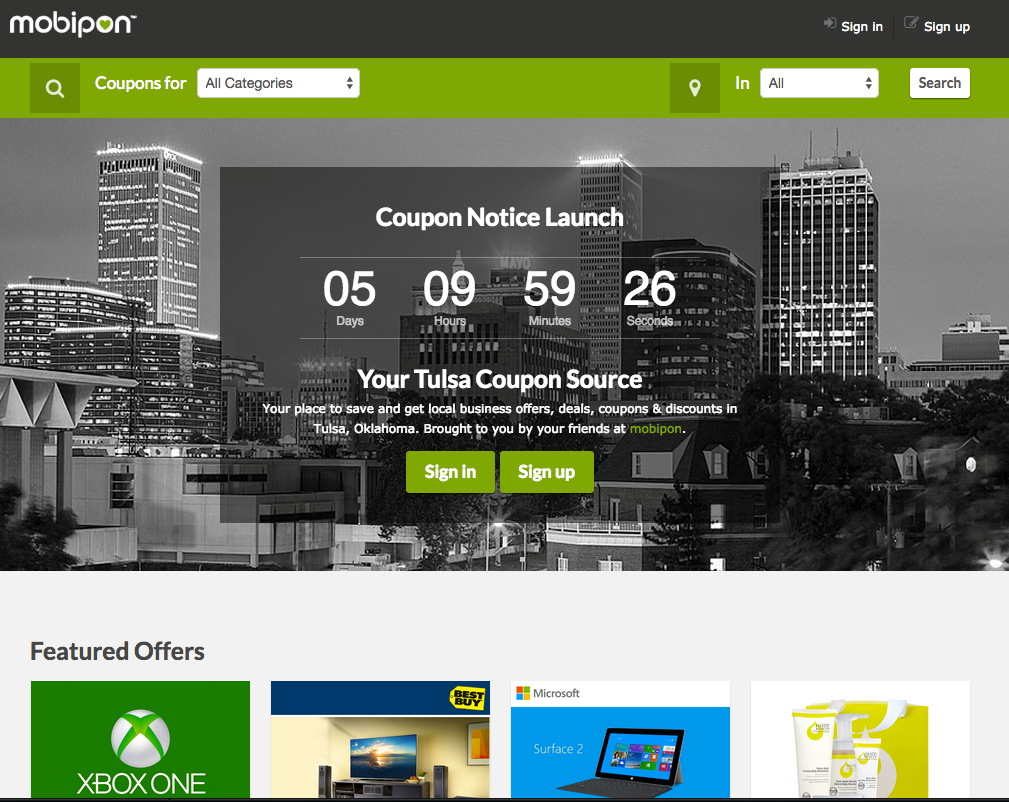
A city-wide community and events platform — directory, listings and editorial publishing, built to keep a metro area informed. Covered by the Tulsa press at launch.
Sports Platform · 2001
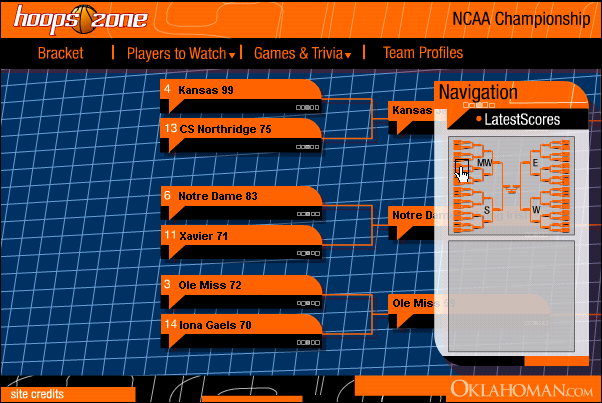
Hoops Zone
A sports content and scores platform — our earliest documented press coverage, from 2001, and an early example of building for an audience rather than a brochure.
Auctions & Transactions
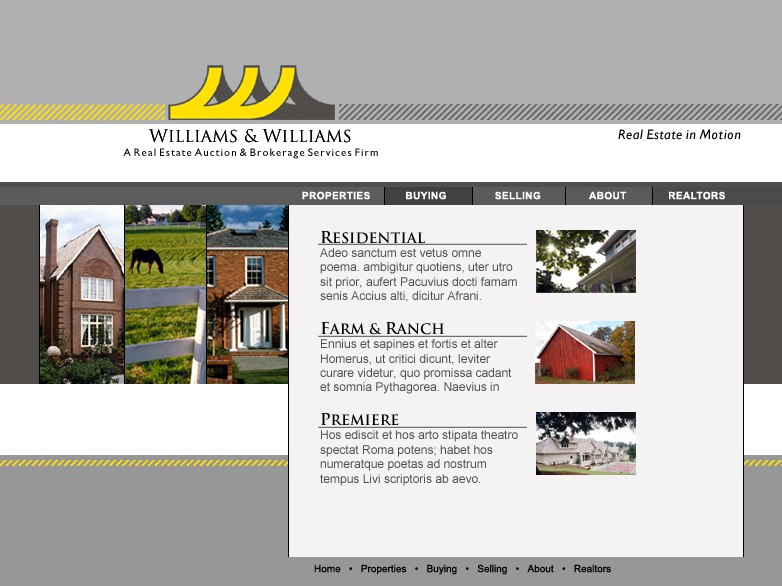
Williams & Williams
Technology for a national real estate auction company — property data, bidder-facing experiences and the mobile access layer around a live transaction business.
Telecom
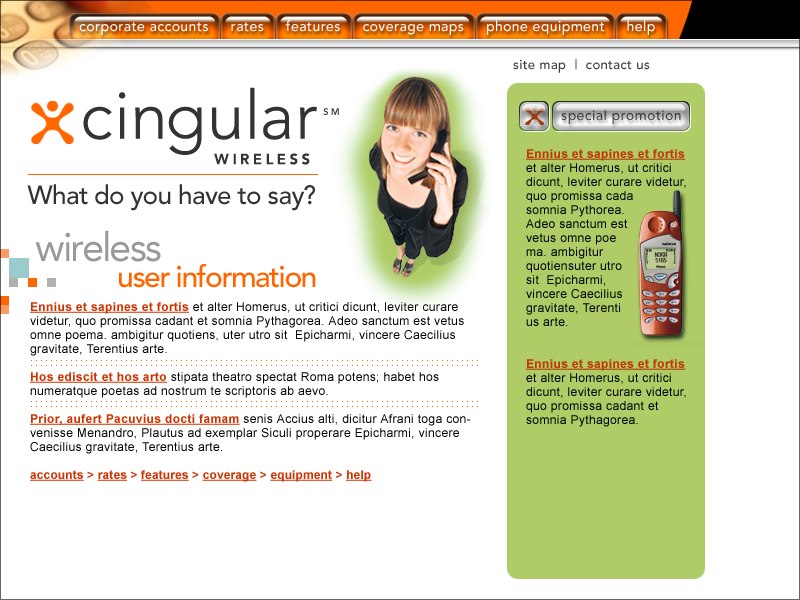
Cingular
Work delivered in the carrier ecosystem during the era when mobile web standards were still being written.
Events & Festivals
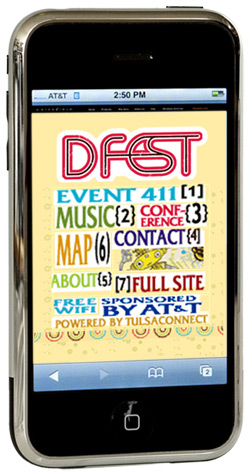
DFest
Mobile event experience for a large music festival — schedules, lineups and on-site information delivered to phones years before every event had an app.
Innovation & Startups
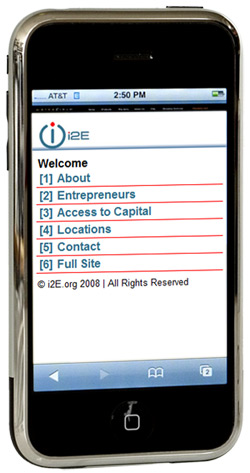
i2E
Mobile experience for Oklahoma's innovation and entrepreneurship organization, whose summit series we also spoke at.
Real Estate Mobile
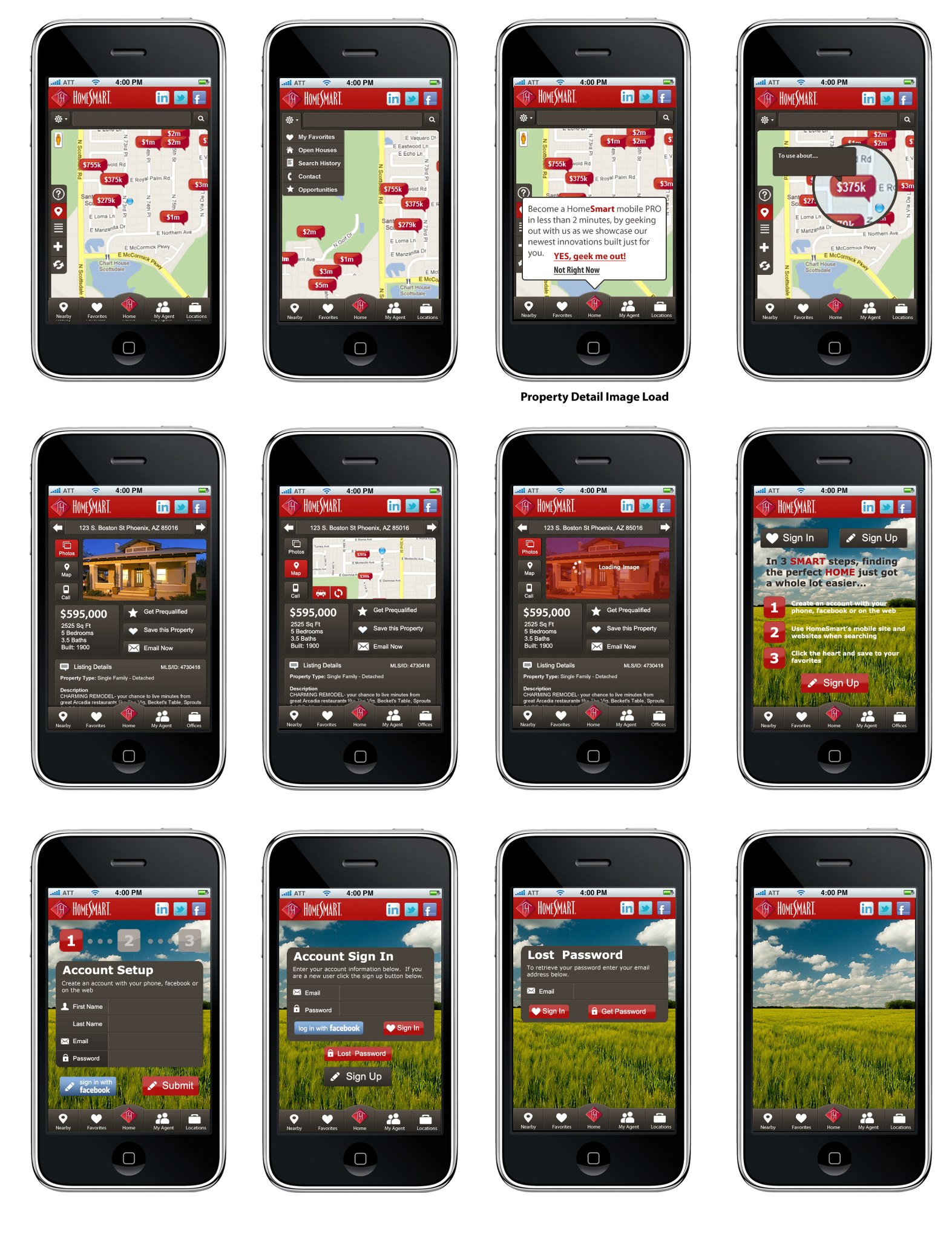
HomeSmart
Mobile property search and agent tooling on the same multi-tenant platform architecture behind the rest of our real estate work.
Foundation & Nonprofit
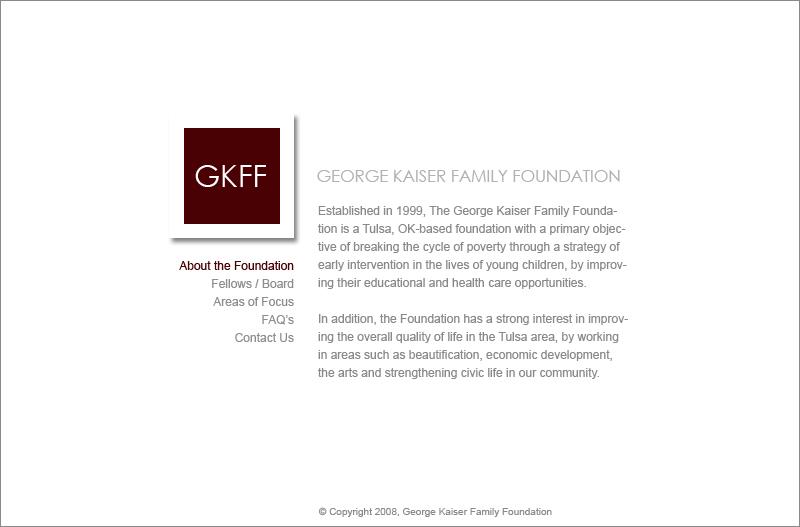
Foundation Web Systems
Information architecture and publishing systems for a major philanthropic organization — complex content, many audiences, strict accessibility expectations.
Current Client · Home Services
Triple Play Home Services
A live Operational AI deployment for an HVAC, plumbing and electrical operation: AI Answer Hub publishing hundreds of categorized answers, call intelligence, and marketing data connected through to booked work. calltripleplay.com →
Current Client · Garage Doors
Affordable Door Co.
An Answer Hub of expert answers organized into topic categories with search, plus the lead and call intelligence layer underneath it. affordabledoorco.com →
Today · Operational AI
Bluefrog Intelligence Platform
A configurable, modular AI and business-intelligence platform connecting the systems a company
already uses — voice, evaluation, revenue, marketing, customer and automation modules.
Explore the platform →
Today · Current Engagements
Operational AI Integrations
Current work: call intelligence, rubric evaluation, CRM and field-service integration, revenue
reporting and automated follow-up wired into live operations.
ServiceTitan integration → ·
Custom APIs →
Historical work is described as engineering. For how current engagements are structured, see
how we create efficiency.